May 4, 2026

Brochure

showroom

call us


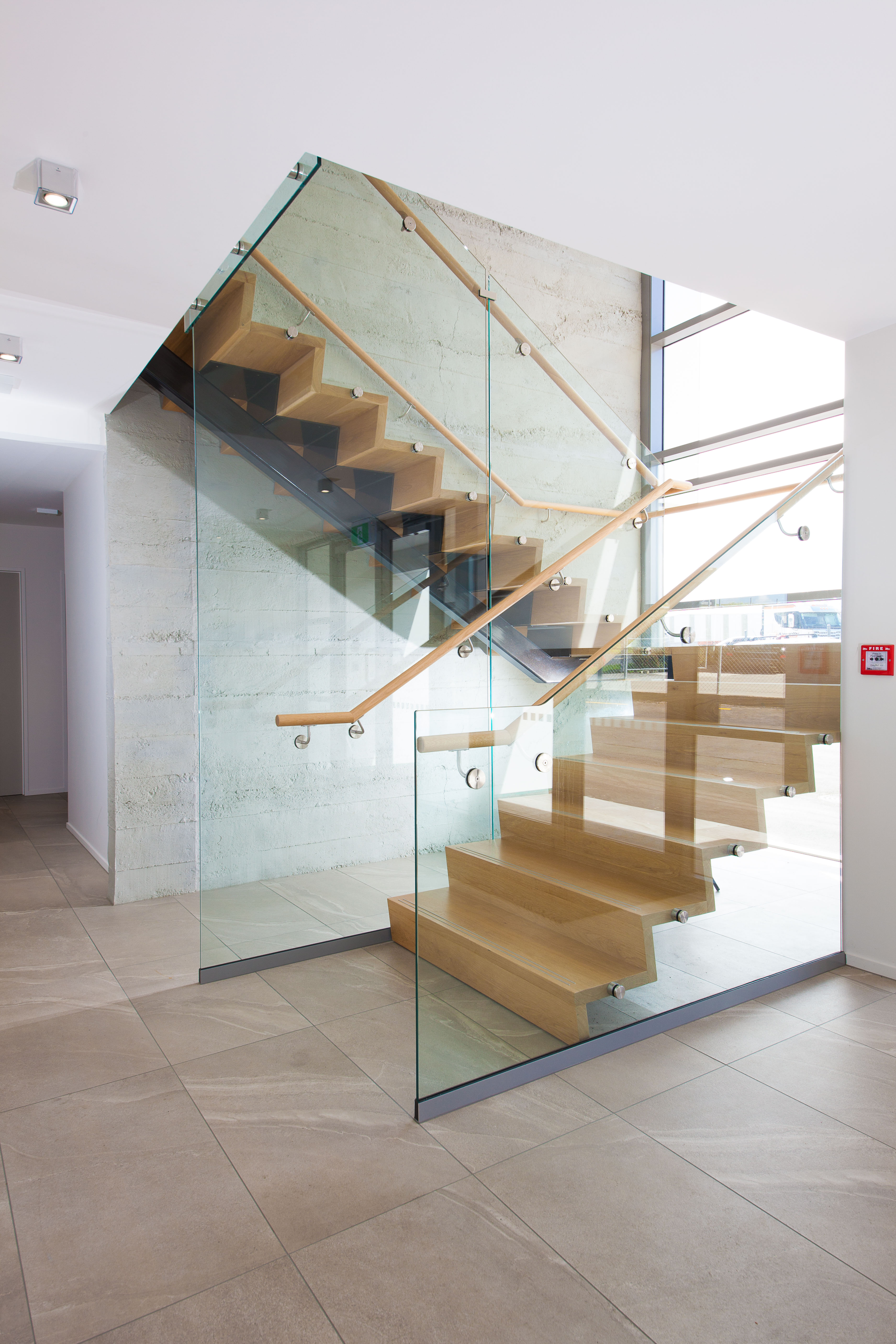
In commercial buildings, every design decision influences how the space performs—how people move, how they interact, and how the business is perceived. A staircase is one of the few elements that touches all of these at once.
When carefully considered, commercial stairs design becomes more than circulation; it supports daily efficiency, shapes first impressions, and contributes to the long-term value of the asset. Well-planned office stairs are not just functional, they are part of how a business presents itself and operates every day.
The layout of a workplace directly affects how teams function. Staircases that are visible, accessible, and well-integrated into the floor plan encourage movement and interaction without disrupting workflow.
Improving Internal Connectivity: Centrally positioned stairs reduce reliance on lifts and make it easier for staff to move between departments. This improves responsiveness and shortens the time it takes to communicate or collaborate.
Supporting Informal Collaboration: Stairs designed with wider landings or stepped areas can accommodate quick conversations and informal meetings. These spaces reduce pressure on formal meeting rooms and allow teams to resolve matters efficiently.
Encouraging Daily Movement: Regular use of stairs promotes light physical activity throughout the day. For employers, this contributes to a more alert and engaged workforce, with fewer interruptions caused by fatigue or inactivity.
For many commercial environments, the staircase is one of the first architectural features people encounter. As part of redesigning office space, it plays a direct role in how clients, tenants, and visitors interpret the quality of the business.
Visual Expression: Material selection and detailing communicate brand values. Timber introduces warmth, steel conveys precision, and glass supports openness and light. These choices should align with the overall interior language of the space.
Customer Flow: In retail and multi-level environments, well-positioned commercial modern design staircases encourage movement between floors. Clear sightlines and inviting access points help guide visitors naturally, increasing engagement across the space.
Integrated Design: Custom elements such as colour matching, balustrade detailing, or sculptural forms allow the staircase to sit cohesively within the broader architectural scheme without appearing decorative for its own sake.
Selecting the right materials is essential for durability, maintenance, and visual impact. Different materials suit different commercial settings:
Choosing the appropriate material ensures longevity and reduces ongoing operational costs.
Effective commercial stairs design improves how a building functions day to day. Layout decisions should support both efficiency and clarity of movement.
Space Efficiency vs. Statement: Compact staircases, such as straight-run or L-shaped configurations, are ideal for areas with limited floor space, allowing circulation without sacrificing usable office or retail area.
Feature stairs, including floating or helical designs, make a visual impact in open atriums or lobbies, acting as architectural focal points that can elevate the perception of the space. Deciding between these options requires balancing daily operational needs with the intended aesthetic impression.
Connectivity: Stairs should sit along natural movement paths. Poor placement can lead to underuse, while well-positioned stairs reduce congestion and improve flow across departments or customer areas.
Accessibility Integration: Commercial staircases must work in tandem with ramps, lifts, or escalators to ensure compliance with accessibility standards and inclusivity for all users.
Design considerations include appropriate tread width, riser height, and handrail placement to complement vertical circulation for people with mobility challenges, while maintaining smooth flow for general traffic. Strategic integration ensures that stairs enhance rather than hinder building usability.
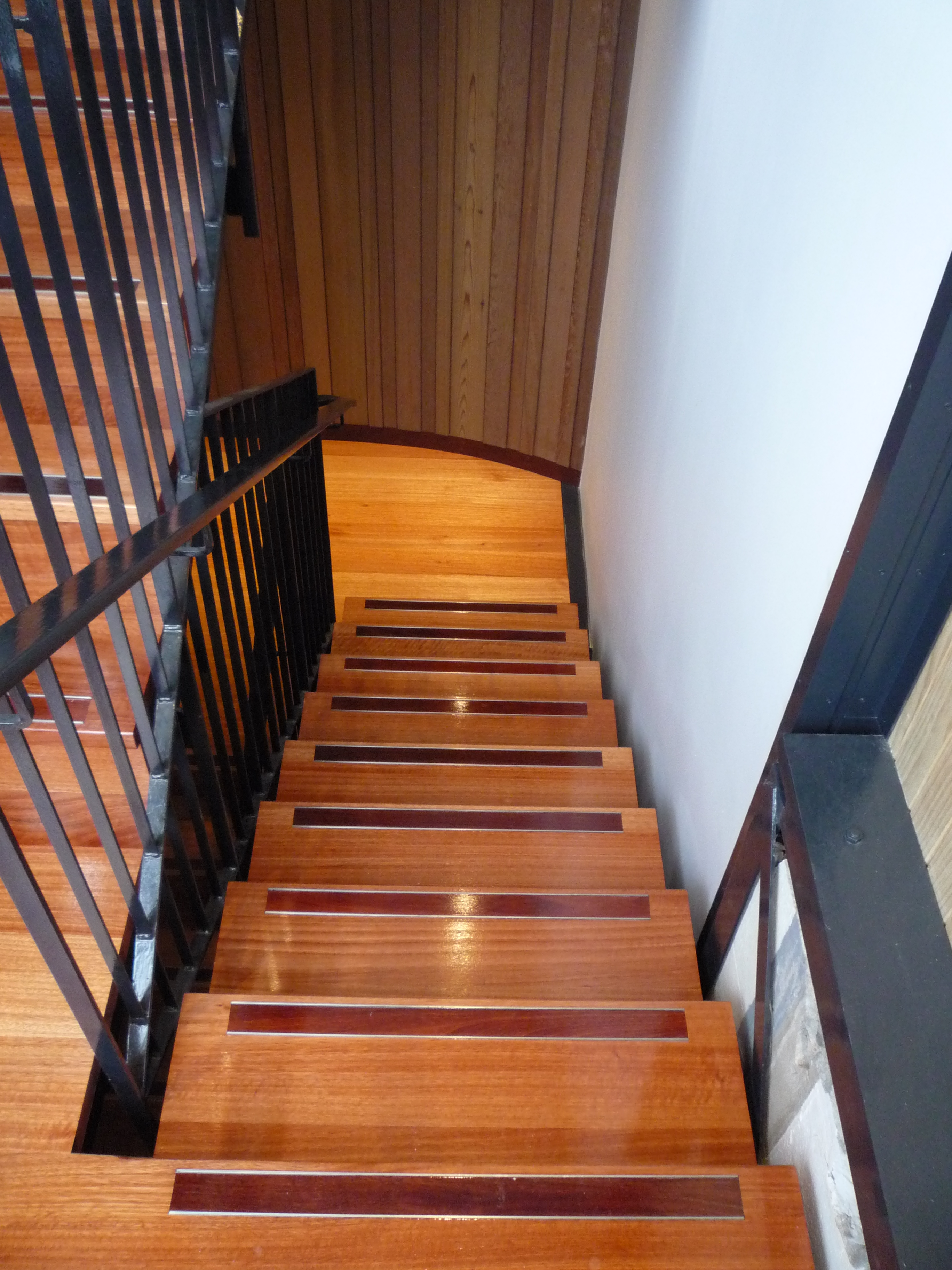
Staircases in commercial settings must adhere to commercial stairs regulations, which cover dimensions, finishes, and emergency requirements. Professional design ensures these standards are met while protecting the business from liability.
Durability: High-traffic areas demand materials engineered for resilience. Steel, reinforced concrete, and treated timber maintain structural integrity under heavy, repetitive use. Well-selected finishes reduce wear, warping, or cracking, lowering the risk of accidents over time.
Advanced Safety Features: Safety-focused design incorporates slip-resistant surfaces, tactile nosings for visibility, and handrails positioned to accommodate a wide range of users.
Integrating subtle visual cues, such as colour contrast on steps, can prevent trips and falls without compromising aesthetics. Staircases may also include intermediate landings in longer runs to reduce fatigue and improve safety for frequent users.
Emergency Egress: Beyond daily use, staircases are critical for evacuation during emergencies. Design must consider width, clear headroom, uninterrupted routes, and direct access to exit points.
Integrating lighting and signage ensures stairways remain navigable even under stress, smoke, or low-light conditions, helping safeguard occupants and meet regulatory requirements.
A staircase is a permanent element of a commercial asset, and its design has direct implications for cost control and building performance over time.
Supporting Asset Value: Consistent detailing and durable finishes contribute to a building that presents well to prospective tenants or buyers. This can support stronger leasing outcomes and long-term value retention.
Reducing Operational Costs: Materials selected for durability require less frequent maintenance, lowering ongoing expenditure and minimising disruption to business operations.
Improving Building Efficiency: When integrated into open layouts, staircases can assist with distributing natural light, reducing reliance on artificial lighting and contributing to overall energy performance.
Incorporating Functional Enhancements: Features such as integrated lighting or acoustic treatments improve usability without adding complexity, ensuring the staircase remains practical as well as visually consistent.
Well-designed office stairs contribute to how a commercial space performs, how it is perceived, and how efficiently it operates. For building owners, developers, and tenants, investing in considered commercial stairs design supports better movement, safer environments, and a more cohesive overall standard—benefits that extend well beyond initial construction.
At Ackworth House, we specialise in bespoke commercial stairs design, manufacturing, and installation. Our projects balance durability, safety, and elegance, creating staircases that enhance building functionality and leave a lasting impression.
Whether you are redesigning office space or planning a new commercial development, our team delivers solutions that combine innovation with timeless design. Contact us today.
Get the benefit of our all-in-one stair designing services that include consultation, proposal, engineering, design, project management, manufacture, installation and aftercare. At Ackworth House, we’re with you every step of the way.
Contact us for a no obligation quote.

Commercial staircases range from traditional to contemporary designs. Choosing the right staircase for your property is all about considering its material, design and type.

Commercial stair delays often start with poor coordination. Learn how early planning, compliant design, and smarter installation sequencing help keep commercial projects on track.
Elegantly designed and skillfully crafted staircases, backed by assistance and advice from the first spark of inspiration to the final installation.


