March 30, 2026

Brochure

showroom

call us


Commercial construction programmes rarely fail because of a single major issue. More often, delays appear through a series of coordination gaps that gradually disrupt the flow.
Staircases are a common pressure point. They connect multiple floors, intersect with structural work, affect safety compliance, and influence building circulation.
When they are not planned properly, they can quickly contribute to construction schedule delays that affect finishing trades and final inspections.
For construction teams responsible for coordination and delivery, understanding how to avoid delays in construction projects often means addressing components that involve multiple stakeholders.
Staircases sit at the intersection of architects, engineers, fabricators, and installers. When responsibilities are unclear or documentation arrives late, stair installation can stall progress across several trades.
A well-managed stair package simplifies this process by aligning design, fabrication, and installation within a coordinated workflow.
Many stair installation problems originate during early design stages. Accurate planning and clear documentation allow fabrication and installation to proceed without interruption.
Commercial projects typically require different stair classifications depending on their purpose within the building.
Accessible stairs and common stair each follow specific requirements for riser height, tread depth, landings, and handrail placement.
Establishing the correct classification during early design stages ensures the staircase complies with regulatory requirements before engineering or fabrication begins.
This clarity helps prevent design revisions later in the timeline, which are among the most common types of delays in construction projects.
Multi-level buildings often rely on staircases that span several flights. Even small discrepancies in floor heights or landing positions can accumulate across levels and create alignment problems during installation.
Careful coordination of floor-to-floor measurements ensures that stairs for commercial buildings maintain consistent geometry from the ground level to the upper floors.
When these dimensions are verified early, fabrication can proceed with confidence and installers avoid on-site adjustments that slow progress.
Custom staircases require detailed shop drawings, structural verification, and fabrication planning.
Submitting documentation early allows time for engineering review and ensures approvals are completed before production begins.
When documentation arrives late, fabrication lead times become compressed and installation windows may shift unexpectedly.
Early submission helps construction teams maintain timeline certainty, particularly when complex commercial stairs require bespoke fabrication or engineered components.
Building Information Modelling (BIM) allows project teams to test stair layouts within the full digital model of the building.
This approach highlights potential conflicts between stair structures, walls, services, and floor openings before work reaches the site.
By identifying clashes early, teams can resolve design conflicts during the documentation stage rather than during installation.
This reduces site disruption and keeps the stair package aligned with the broader construction schedule.
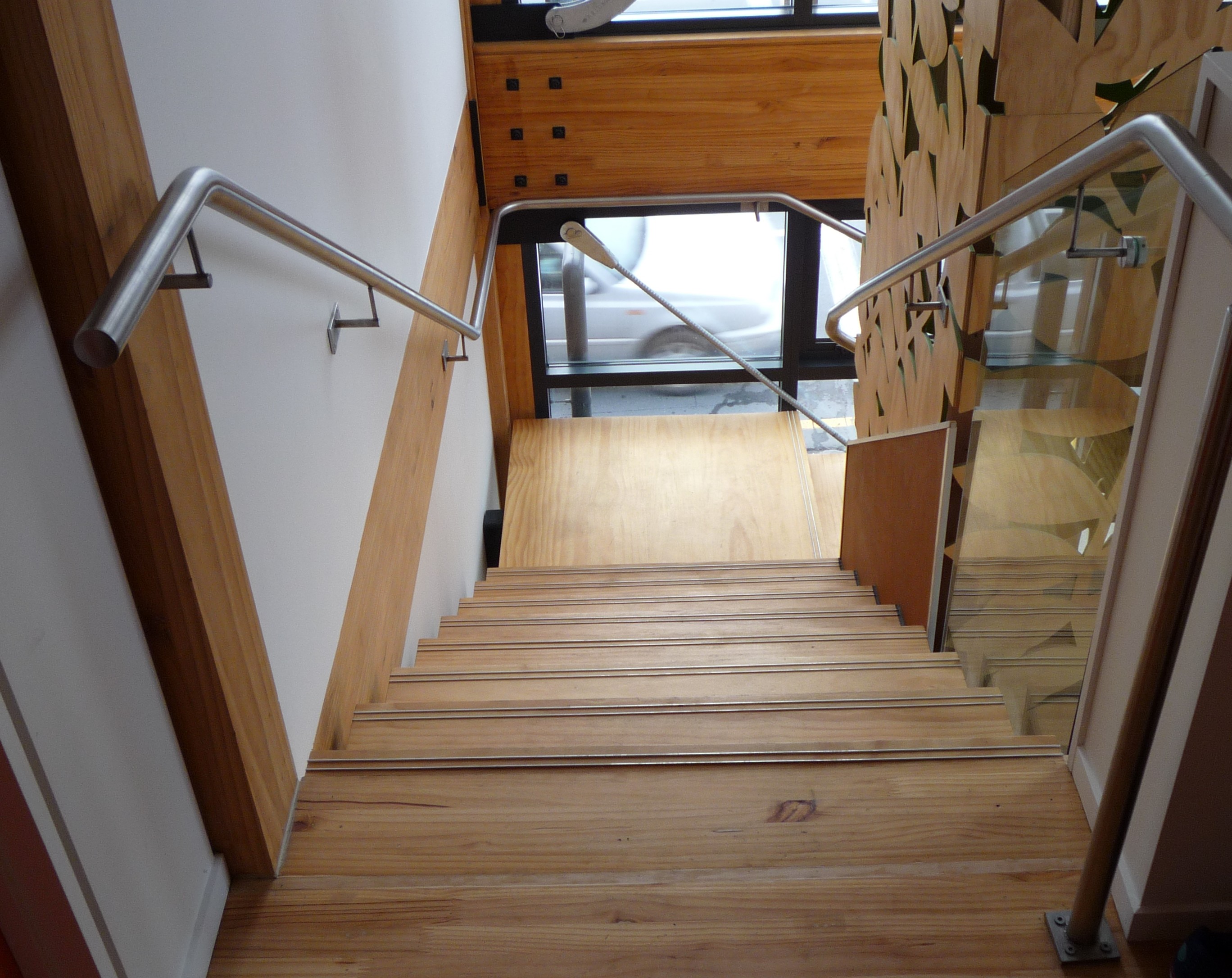
Even well-designed staircases can cause disruptions if installation is poorly timed.
Careful sequencing ensures stairs are delivered and installed when the site is ready.
Initial drawings guide the design process, but final fabrication measurements should reflect actual site conditions.
Slab tolerances, finished floor levels, and wall linings can slightly alter the available stair space.
Confirming measurements shortly before production ensures the staircase fits precisely when delivered, reducing the likelihood of adjustments during installation and helping maintain steady project progress.
During construction, stairwells often serve as primary circulation routes for workers.
Installing temporary treads on steel or floating stair structures allows safe access between floors while protecting finished materials.
This approach keeps the site functional while preventing damage to completed stair components.
Maintaining safe and reliable access is especially important on projects where the stairwell remains active throughout the build.
Final stair finishes are best installed once heavy construction activity has slowed.
Completing installation after plastering, painting, and major service work reduces the risk of damage from equipment or material movement.
Protecting finished stair components helps prevent unnecessary rework and ensures the completed staircase meets the aesthetic expectations of commercial environments.
Construction plans must account for the realities of busy sites.
Small disruptions from earlier trades, delivery changes, or site access restrictions can affect installation timing.
Allowing reasonable contingency within the schedule gives teams flexibility when coordinating work around the stairwell.
This approach helps maintain stability without forcing rushed installation.
Strong communication between construction teams and suppliers plays a major role in keeping stair installations on track.
Clear coordination reduces uncertainty and helps teams respond quickly when challenges arise.
Specialist manufacturers bring experience in designing and fabricating stair systems for commercial environments.
Their familiarity with regulatory requirements, structural coordination, and installation sequencing reduces the likelihood of technical issues during construction.
Manufacturers who prioritise accurate fabrication and installation readiness help ensure stair components arrive on site prepared for efficient installation.
Modern project management platforms make it easier to monitor fabrication progress and delivery timelines.
Tracking lead times ensures construction teams know when stair components will arrive and can prepare the site accordingly.
Clear visibility over production schedules helps align installation with other trades working in the stairwell area.
Weekly coordination meetings allow project teams to address emerging issues before they affect the schedule.
Builders, subcontractors, and suppliers can review current progress and confirm upcoming installation milestones.
These discussions often reveal potential site conflicts early, giving teams time to adjust sequencing and maintain steady construction momentum.
When stair design, fabrication, and installation are handled by separate parties, coordination responsibility often falls heavily on the main contractor.
Each stage introduces additional documentation, communication, and scheduling requirements.
A complete stair package brings these elements together under a single supplier.
Design coordination, engineering, manufacturing, and installation are managed as part of one integrated process.
This approach reduces communication gaps and simplifies project oversight for construction teams.
For builders delivering multi-level developments, consolidating these responsibilities can significantly reduce administrative pressure and improve installation efficiency.
At Ackworth House, we partner with construction companies to deliver fully coordinated stair solutions from design through installation.
Our team manages the entire process, including technical design, engineering review, fabrication, and on-site installation.
By handling every stage of the stair package, we help construction teams maintain clarity and reduce coordination pressure during critical phases of the build.
If your team is planning upcoming projects that require commercial stairs, early collaboration with Ackworth House can help simplify delivery and support smoother project completion.
Get the benefit of our all-in-one stair designing services that include consultation, proposal, engineering, design, project management, manufacture, installation and aftercare. At Ackworth House, we’re with you every step of the way.
Contact us for a no obligation quote.
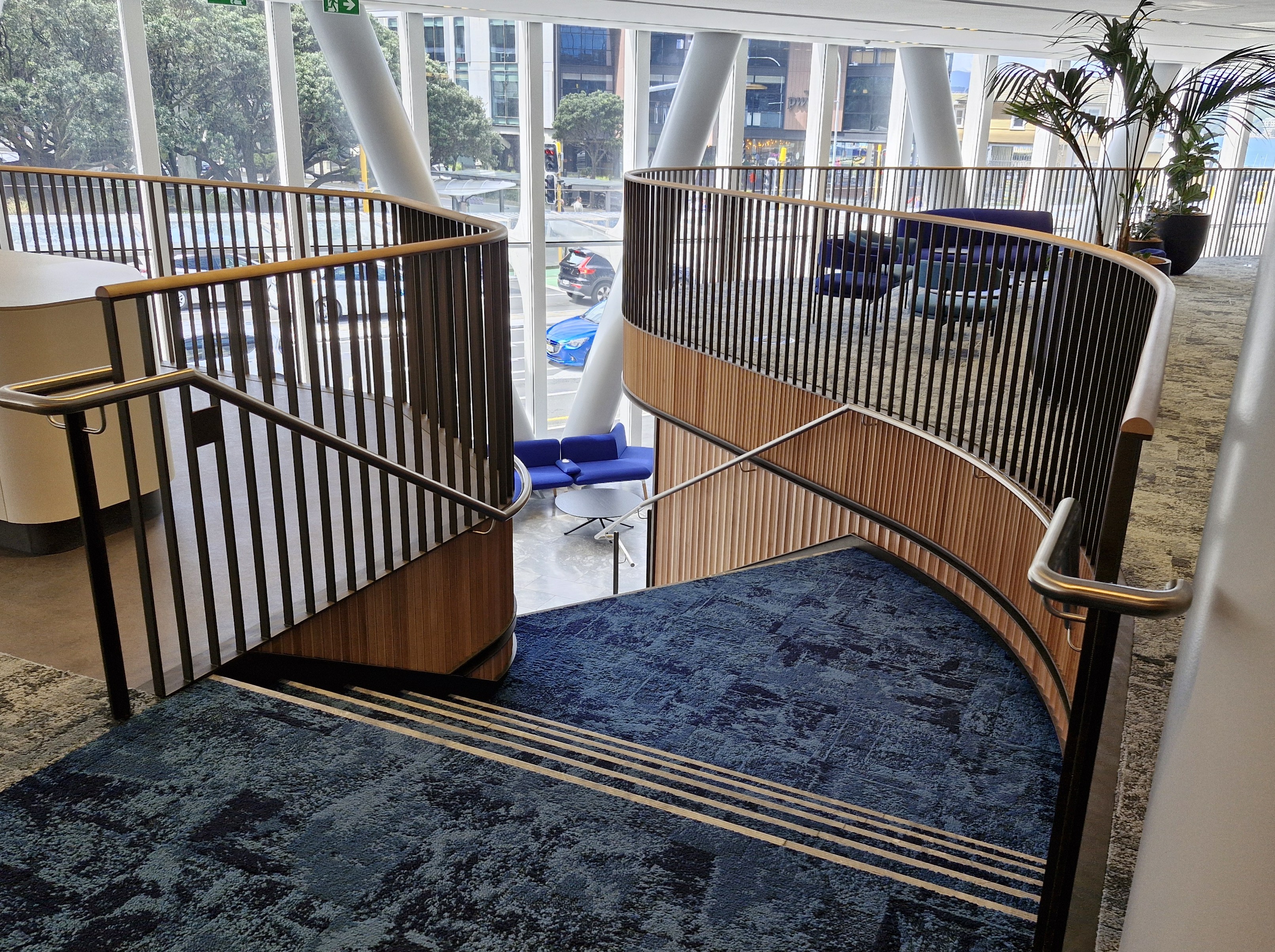
Protect stair design intent from concept to construction. Learn how early collaboration with manufacturers resolves structure, code, and cost, so commercial stairs stay precise and buildable.
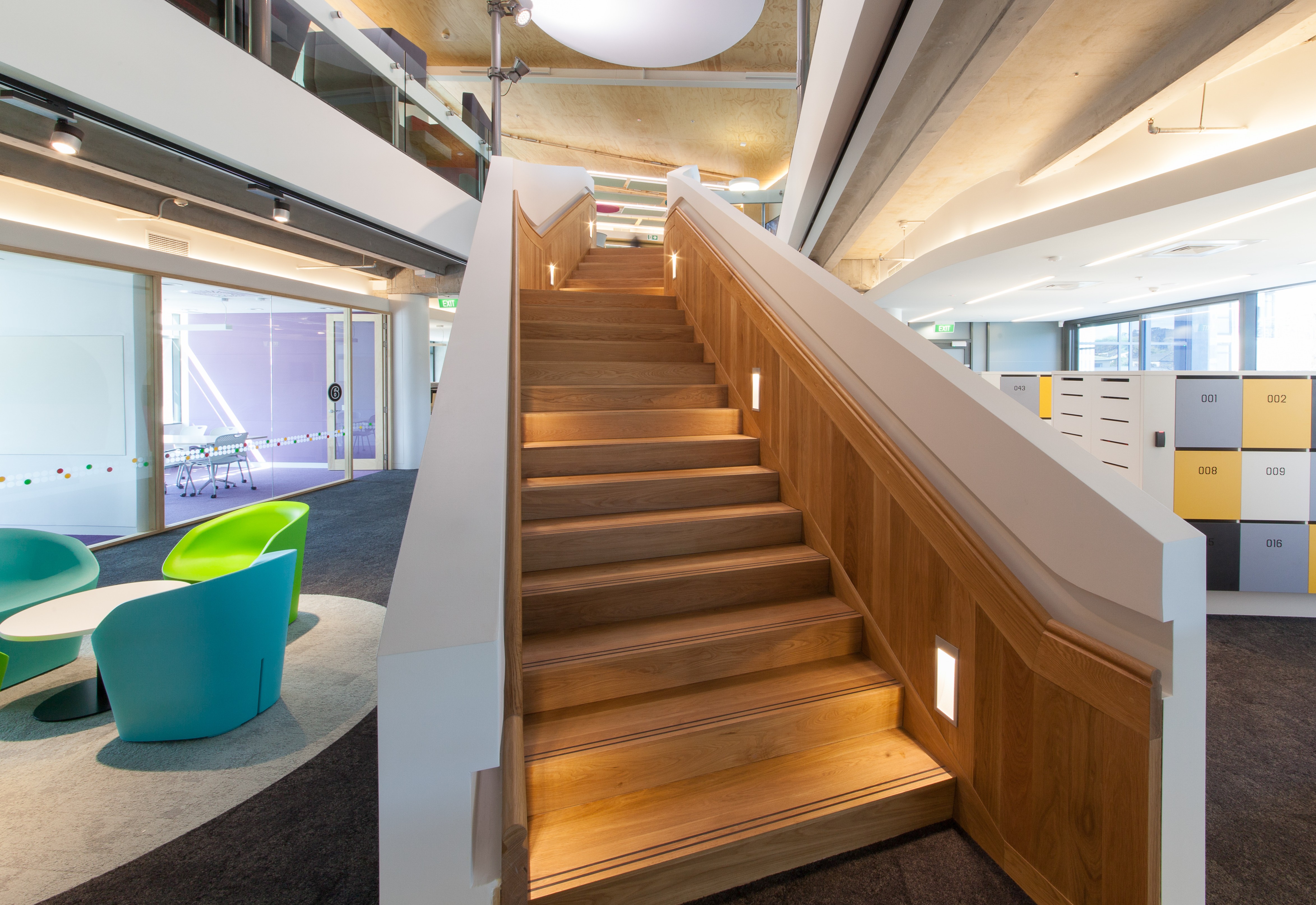
Address site risk before boots hit the floor. Early stair engagement protects people, schedule, and margin, avoiding last-minute compromises, delays, cost blowouts, rework, and unsafe access on site.
Elegantly designed and skillfully crafted staircases, backed by assistance and advice from the first spark of inspiration to the final installation.


