February 5, 2026

Brochure

showroom

call us


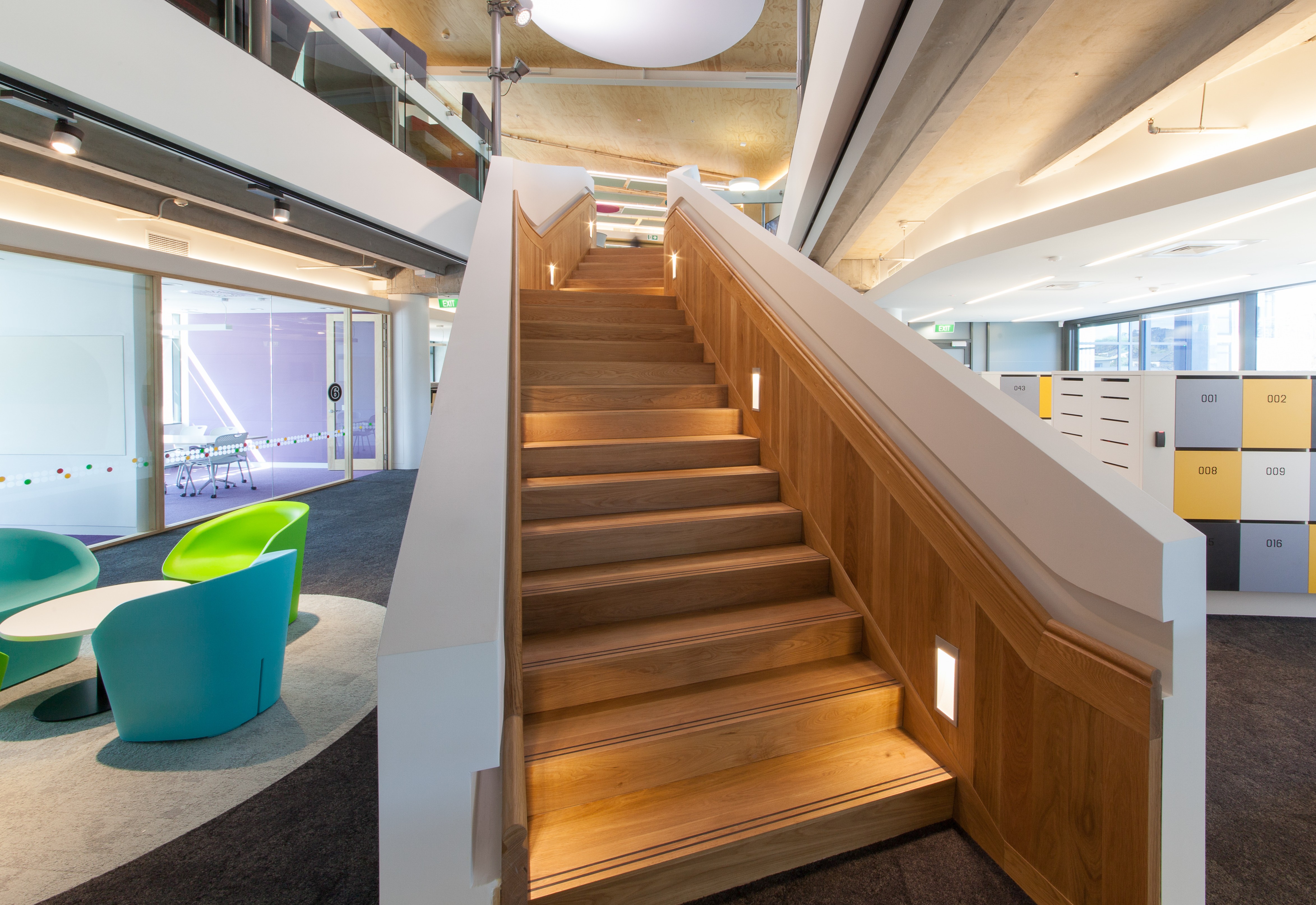
Every builder has seen it happen: the slab is down, frames are up, and the programme is tight, then the staircase becomes a problem. Dimensions don’t quite work. A beam clashes with headroom. Temporary access looks unsafe, but permanent stairs can’t go in yet.
What started as a “later decision” turns into rework, delays, and avoidable hazards. For builders focused on clean sites and reliable timelines, stair coordination is not a finishing detail—it’s an early risk decision. Addressing risk on construction site conditions before boots hit the floor is one of the simplest ways to protect people, schedules, and margins.
Early engagement also allows builders to plan for logistics, worker access, and material staging, preventing last-minute compromises that slow the site and increase cost. This approach aligns with builder trends in NZ, where more teams are prioritising early design collaboration and risk management to keep projects on programme and reduce rework.
Early stair coordination gives builders clarity when it matters most: before work starts on site. When stair layouts are locked in during design, the unknowns that often surface mid-build are removed from the equation. Clear dimensions, confirmed landings, and resolved headroom reduce the chance of clashes once framing and services are underway.
When considering what is a site risk assessment, stair coordination is a prime example, It identifies foreseeable issues, like tight openings, inconsistent riser heights, or stairs that rely on assumptions rather than confirmed structure, before they reach the site. Addressing these risks early turns potential problems into clear decisions, keeping projects on schedule, on budget, and safe.
Early planning also improves site logistics. For instance, knowing stair width and location early helps teams plan hoists, crane drops, and materials storage—reducing congestion and safety risks on busy builds.
Working with designers and stair manufacturers during planning closes common documentation gaps. Instead of assuming supports or tolerances, builders get confirmed load paths and fixing points. This avoids the familiar scenario of stairs arriving on site only to find the structure isn’t ready to support them, leading to redesigns or unsafe temporary fixes.
Adding structural checks early also allows engineers to integrate stairs into the overall load-bearing system rather than treating them as an afterthought. This reduces the risk of deflection, vibration, or movement once the stair is in use.
Early professional surveys ensure stairs are fabricated to suit real site conditions, not idealised drawings. Fit-first-time installs remove the need for packing, uneven adjustments, or rushed fixes. These improvised solutions are a common source of trips and failed inspections once the site becomes active.
Modern survey methods, including 3D scanning, can map openings, landings, and surrounding services accurately. This allows prefabricated stairs to be produced to tight tolerances, ensuring minimal on-site adjustment and a safer, smoother build process.
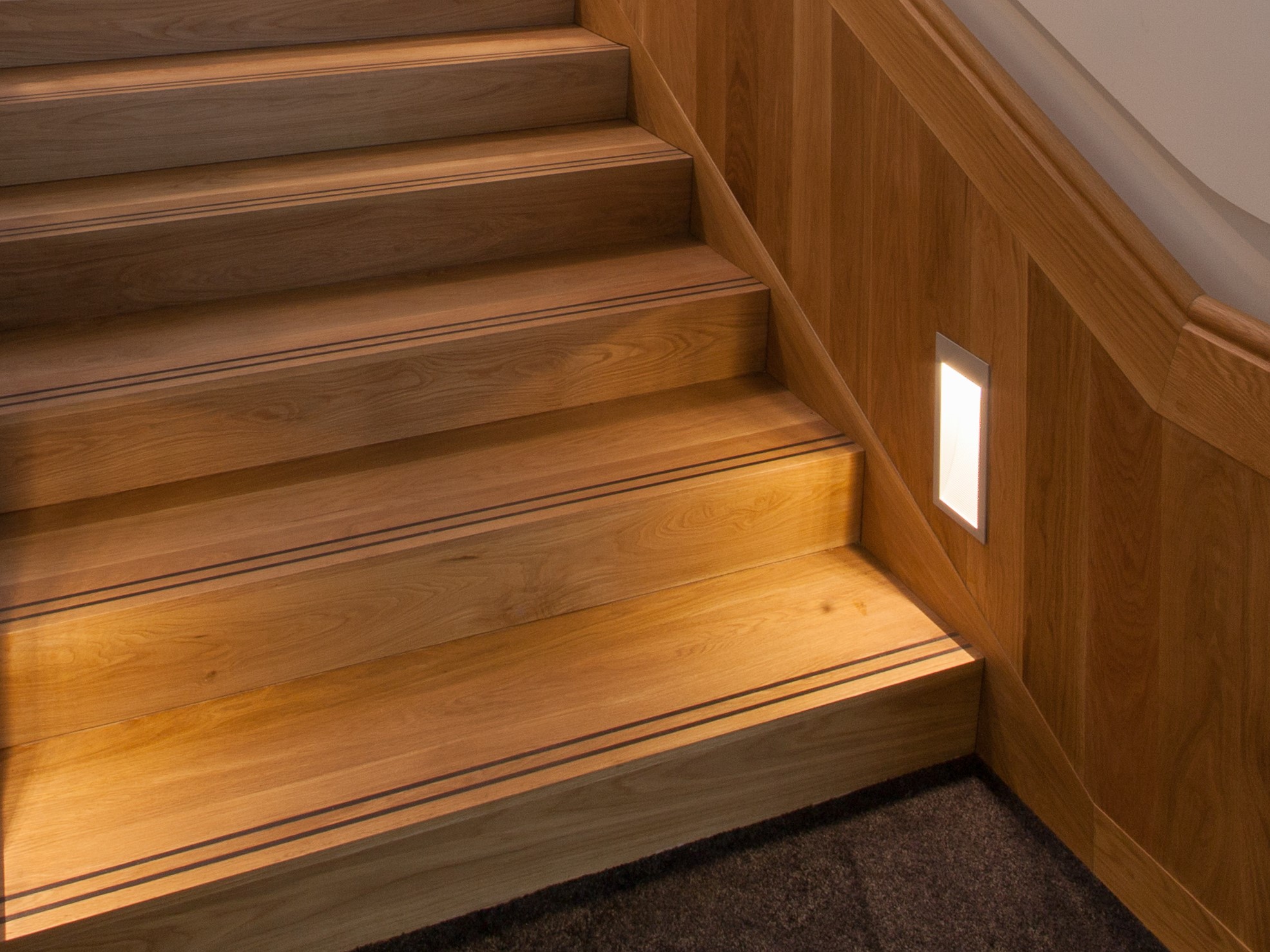
Prefabricated or modular stair systems significantly reduce site risk. Instead of building temporary timber stairs under pressure, builders receive stable, pre-tested assemblies that install quickly. Less on-site fabrication means fewer high-risk tasks and better control over access conditions from early stages.
Non-slip treads and high-visibility nosings work best when specified early and built into the stair. Temporary tapes added later often peel, lift, or fail under traffic, creating new hazards. Early manufacturing decisions ensure safety features are permanent, consistent, and reliable.
Compliance around stairs is strict and closely inspected. Consistent risers, correct headroom, and compliant handrails leave little room for error. Early collaboration with specialists transfers much of that technical risk from the builder to the expert provider.
Specialist teams stay current with changing standards and verify compliance before fabrication begins. Builders receive clear documentation confirming dimensions and safety requirements are met, reducing inspection issues and late-stage changes.
Early engagement also strengthens procurement and planning. Builders can set clear safety requirements for stair installers well before they arrive on site. Defined installation sequencing, access planning, and safe work methods reduce uncertainty and improve coordination with other trades.
Installer input during design helps builders (and property owners) choose the right stair materials for site conditions. Steel, timber, and concrete behave differently under load, weather, and traffic. Early advice ensures the selected solution supports durability, fire performance, and long-term safety without compromising the build programme.
Late stair decisions rarely stay isolated. Openings need resizing, framing is altered, and temporary access remains longer than planned. Each adjustment adds cost, time, and risk to the build.
Early coordination removes these pressure points. With stair dimensions confirmed, other trades can work confidently around fixed openings. Install dates are predictable, access routes are safer, and sites remain cleaner. For many NZ builder teams, this certainty is essential when margins are tight and expectations are high.
Early stair decisions also help trades like plumbing and electrical plan service runs around openings, avoiding clashes and rework.
Reducing site risk doesn’t require complex systems or added paperwork. It starts with involving the right specialists earlier and treating stairs as a structural and safety element, not a late-stage detail. For builders who want fewer delays, safer access, and smoother builds, early stair coordination is a practical step that delivers real results.
At Ackworth House, we work alongside builders from early design through to installation. Our team supports clear stair layouts, accurate surveys, compliant fabrication, and coordinated installs; so stairs arrive ready, fit first time, and perform safely throughout the build.
If you’re looking to reduce site risk and keep your programme moving, early stair coordination is where the conversation should start. Get in touch with us today.
Get the benefit of our all-in-one stair designing services that include consultation, proposal, engineering, design, project management, manufacture, installation and aftercare. At Ackworth House, we’re with you every step of the way.
Contact us for a no obligation quote.

Recent study results show that contemporary office designs may stimulate creativity and collaboration among employees.

While most interior design styles aim for a polished or refined air, industrial design dares to bare it all, sophisticatedly revealing what other styles conceal.
Elegantly designed and skillfully crafted staircases, backed by assistance and advice from the first spark of inspiration to the final installation.


